At the end of a van lease, the condition of your van is just as important as the mileage. Before you return the van, the leasing company will conduct a thorough inspection. Any damage that exceeds what is considered “fair wear and tear” could result in additional charges.. Fixing dents and scratches before your van returns is one of the simplest ways to avoid surprise costs, protect your wallet, and keep your business image strong.
This guide explains what happens at the end of van lease, how fair wear and tear works, which dents and scratches are likely to be chargeable, and how BK Smart Repairs can help drivers and tradespeople in Stoke-on-Trent, Newcastle-under-Lyme, and Crewe put things right before inspection day.
What Happens at the End of a Van Lease?
At the end of the van lease, the van is returned to the finance or leasing company that owns it. Before they take the keys, they carry out a detailed inspection. This is usually done by an independent inspector or a trained agent who follows industry guidelines.
The inspector will:
- Walk around the van and check every panel for dents, scratches, chips, rust, and poor paint repairs.
- Look at bumpers, doors, sills, wheel arches, and roof for damage that is more than normal use.
- Check the glass, mirrors, wheels, tyres, interior trim, seats, and dashboard.
- Record the mileage and compare it with your agreed limit.
- Note any missing items, such as keys, a spare wheel, a jack, or original equipment.
You are normally asked to be present or at least to agree to the condition report. If the inspector finds damage that falls outside fair wear and tear, they list it, and the leasing company later adds repair costs to your final bill.
This is why planning is key. Most lease guides suggest checking your van 10–12 weeks before the end date so you have time to fix dents and scratches before the collection day.
What Is “Fair Wear and Tear” on a Van?
Fair wear and tear is the normal, expected ageing of a van used in a reasonable way during the lease period. It is not the same as damage. Fair wear and tear takes into account the age of the van, the mileage, and the way it has been used.
Examples of fair wear and tear often include:
- Small stone chips on the front that have not rusted.
- Very light surface scratches that can be polished out and do not go through the paint.
- Minor scuffs on plastic trim that do not crack or break the surface.
- A few tiny door dings that are hard to see unless you look closely.
- Light wear on seats and interior trim with no rips, burns, or deep stains.
Leasing companies usually follow a standard fair wear and tear guide. The main idea is that a used van should show signs of normal use, be in good, clean, and roadworthy condition, and not need bodywork repairs before it can be sold on.
What Counts as Damage “Beyond Fair Wear and Tear”?
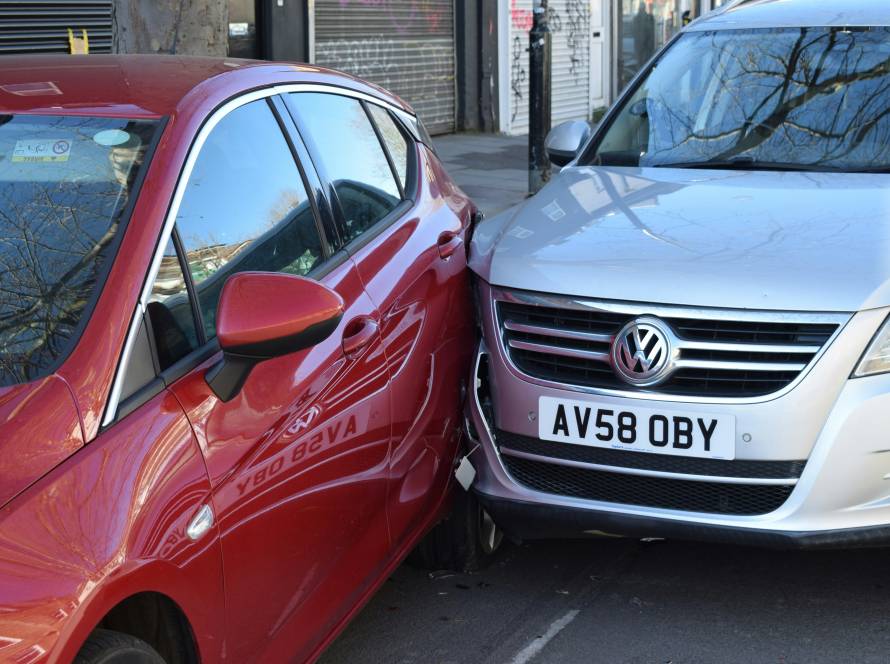
Anything that suggests neglect, impact, or poor care is likely to be treated as damage and charged. This is where end of van lease drivers can get a shock, especially if they assumed “it’s only cosmetic.”
Common examples of damage beyond fair wear and tear include:
- Large dents in panels, even if the paint is not chipped.
- Sharp creases from impacts with posts, bollards, or other vehicles.
- Deep scratches that go through the paint and expose primer or bare metal.
- Long scrapes along side doors or bumpers from tight drives and walls.
- Cracked or broken bumpers, missing trims, or badly scuffed corners.
- Rust patches where stone chips or scratches were left untreated.
- Obvious poor-quality body repairs, mismatched paint, or visible filler.
On the inside, cigarette burns, torn seats, badly stained fabric, cracked trim, or missing parts are also likely to be charged. However, in many cases, bodywork dents and scratches are the most expensive and visible end-of-lease issues.
Why Fixing Dents Before Van Return Saves Money
Many drivers and tradespeople are tempted to “wait and see” what the lease company charges. That often turns out to be the most expensive option.
Here is why repairing dents and scratches before the final inspection usually saves money:
Lease repair rates are high
Leasing companies often use main dealers or approved bodyshops with higher labour and paint costs. They may also replace parts where a good local repairer would repair.
You pay their rates, not market rates
If the van goes back with damage, you have no say in how it is repaired or what it costs. You just receive a bill. A local specialist can usually repair the same dent or scratch for much less.
They may replace whole panels.
For deep scratches or dents, some lease repairers prefer to replace a panel or repaint complete sections, which increases costs. A skilled van dent repair or van scratch repair specialist can often target just the damaged area.
Multiple small items add up
A small charge for each dent, scratch, and bumper scuff adds up quickly. Fixing several issues in one visit before the van return is often cheaper than paying separate end-of-lease penalties.
You protect your reputation
If you use your van for business, especially in areas like Stoke-on-Trent, Newcastle-under-Lyme, and Crewe, you want it to look presentable until the final day. Repairs keep your image strong right up to the end.
Typical End-of-Lease Damage on Vans
Work vans live hard lives. Trades and delivery use mean certain types of damage are very common by the end of van lease:
- Side panel dents from tight drives, gate posts, and car parks.
- Sliding door scrapes where the van has brushed walls or low bollards.
- Rear door dents from reversing into posts, pallets, or loading bays.
- Bumper scuffs from low walls, kerbs, and other vehicles.
- Wheel arch scrapes where a tight turn has gone slightly wrong.
Popular work vans such as Ford Transit and Transit Custom, VW Transporter and Caddy, Vauxhall Vivaro, Renault Trafic, Mercedes Sprinter and Vito, and Peugeot Boxer often show these same patterns. By the time the van return date arrives, it is rare to see one without at least a few marks.
The good news is that most of this damage can be sorted using localised van dent repair, van dent removal, van scratch repair, and van scratch removal techniques, rather than full resprays.
How to Check Your Van Before Inspection
To avoid surprises, it is smart to carry out your own check several weeks before the end of van lease. You can do this yourself, or ask someone else to look as if they were the inspector.
Use this simple checklist:
- Wash the van first – dirt hides scratches and small dents.
- Inspect in good daylight – dull light makes it easy to miss damage.
- Walk around slowly – look at each panel straight on and then from an angle.
- Kneel down and look along the sides – this reveals ripples, creases, and shallow dents.
- Mark each dent and scratch – a bit of masking tape or a note on your phone helps you count them.
- Check bumpers and corners – look for chips, cracks, and deep scuffs.
- Check roof and upper panels – taller vans often have damage here from low branches or signs.
- Check the interior – note any damage that could be chargeable, such as rips or burns.
Once you know what you are dealing with, you can decide which issues to fix. In many cases, sorting the most visible and serious damage greatly reduces the risk of high charges at van return.
How BK Smart Repairs Helps with End-of-Lease Vans
BK Smart Repairs specialises in dealing with the exact kind of damage that causes end-of-lease charges. Instead of waiting for a bill from your leasing company, you can take control and fix dents and scratches on your terms.
Here is how BK Smart Repairs can help drivers and businesses in Stoke-on-Trent, Newcastle-under-Lyme, and Crewe:
- Van dent repair and van dent removal
- BK Smart Repairs can remove many dents from panels, doors, and arches using methods that avoid full panel replacement. Where paint is still intact, paintless techniques can often be used.
- Van scratch repair and van scratch removal
- Deep scratches, scuffs, and scrapes on side doors, bumpers, and rear doors can be locally refinished. The damaged area is prepared, filled if needed, and repainted, with the colour matched to the rest of the van.
- Targeted repairs to save cost
- Instead of spraying whole panels when it is not needed, BK Smart Repairs focuses on the damaged sections. This helps reduce material cost and time while still providing a finish that satisfies inspection standards and looks good to the eye.
- Advice based on lease standards
- If you are unsure which marks are likely to be chargeable, BK Smart Repairs can advise you. In many cases, fixing obvious dents and deep scratches is more than enough to avoid major penalties, while tiny marks that count as fair wear and tear can be left alone.
- Convenient service for busy trades
- Tradespeople and small businesses in Stoke-on-Trent, Newcastle-under-Lyme, and Crewe often cannot spare the van for long. BK Smart Repairs plans work to keep downtime low so you can get the van prepared for end of van lease without losing days of income.
When to Book End-of-Lease Repairs
Timing is important. If you leave it until the week before collection, you may struggle to find space in the diary or there might not be enough time for more complex work. A good rule of thumb is to start planning 8–12 weeks before the end of your van lease.
A simple timeline looks like this:
- 12–10 weeks before return – wash and inspect the van, make a list of dents and scratches.
- 10–8 weeks before return – get in touch with BK Smart Repairs for advice, photos, or a quote.
- 8–4 weeks before return – book and complete van dent repair and van scratch repair.
- Final 2 weeks – give the van a thorough clean, check that all items (keys, tools supplied with the van, spare wheel, etc.) are present, and keep it in good condition until collection.
By the time the official inspection takes place in Stoke-on-Trent, Newcastle-under-Lyme, or Crewe, you know you have done everything sensible to protect yourself from damage charges.
Why This Matters for Your Business
If you use your van for work, an end-of-lease bill is not just an annoyance, it is a direct hit to your profits. Extra charges can easily run into hundreds of pounds, sometimes more if there are several areas of damage. In contrast, using a specialist like BK Smart Repairs to handle van dent removal and van scratch removal before the van return usually costs less and gives you a van that looks presentable until the very last day.
You also protect your business image across Stoke-on-Trent, Newcastle-under-Lyme, and Crewe. Customers see your van on the road, outside homes, and on job sites. A van that looks straight and clean reflects well on you right up to the end of the lease, and makes it easier to change into your next van without a fight over condition.
If your end of van lease is approaching and your van has dents, scrapes, or bumper damage, now is the time to act. Have a good look around the vehicle, then speak to BK Smart Repairs about van dent repair, van dent removal, van scratch repair, and van scratch removal. A little preparation before the van return can save you a lot of money and stress when the inspector turns up.